From the darkness of a dictatorship to a backyard in Athens
Before the war, O. had built a life she was proud of. She was 38 years old, an English teacher in Syria, with stability, purpose, and a clear sense of who she was in the world. Then the war came. And with it, something harder to name than fear. "Life became more exhausted than before," she says. "Pointless. I felt that I was waiting for my death in a way or another."
What finally made her leave was not a single moment of danger. It was the slow erosion of something more fundamental.
"When other people had the abilities to direct my life, the way they liked, no matter what I wanted or liked, where the law or the family weren't there to protect me from them, I felt that I had to leave Syria as soon as possible."
She fled first to Turkey. But for many Syrian women, neighbouring countries offer only a pause, not a future. Legal barriers, instability, and the particular vulnerability of women without protection meant long-term safety remained out of reach. She made the decision to continue to Greece.
The crossing almost killed her.
"It was like facing somebody's fate," she says. "It was completely death or life meeting. I still remember the darkness that I had to cross with other people who wanted to cross too. The feeling of being exposed, to be arrested, to be humiliated, and maybe even worse. I was thinking about all of these. Frightened is too simple a word."
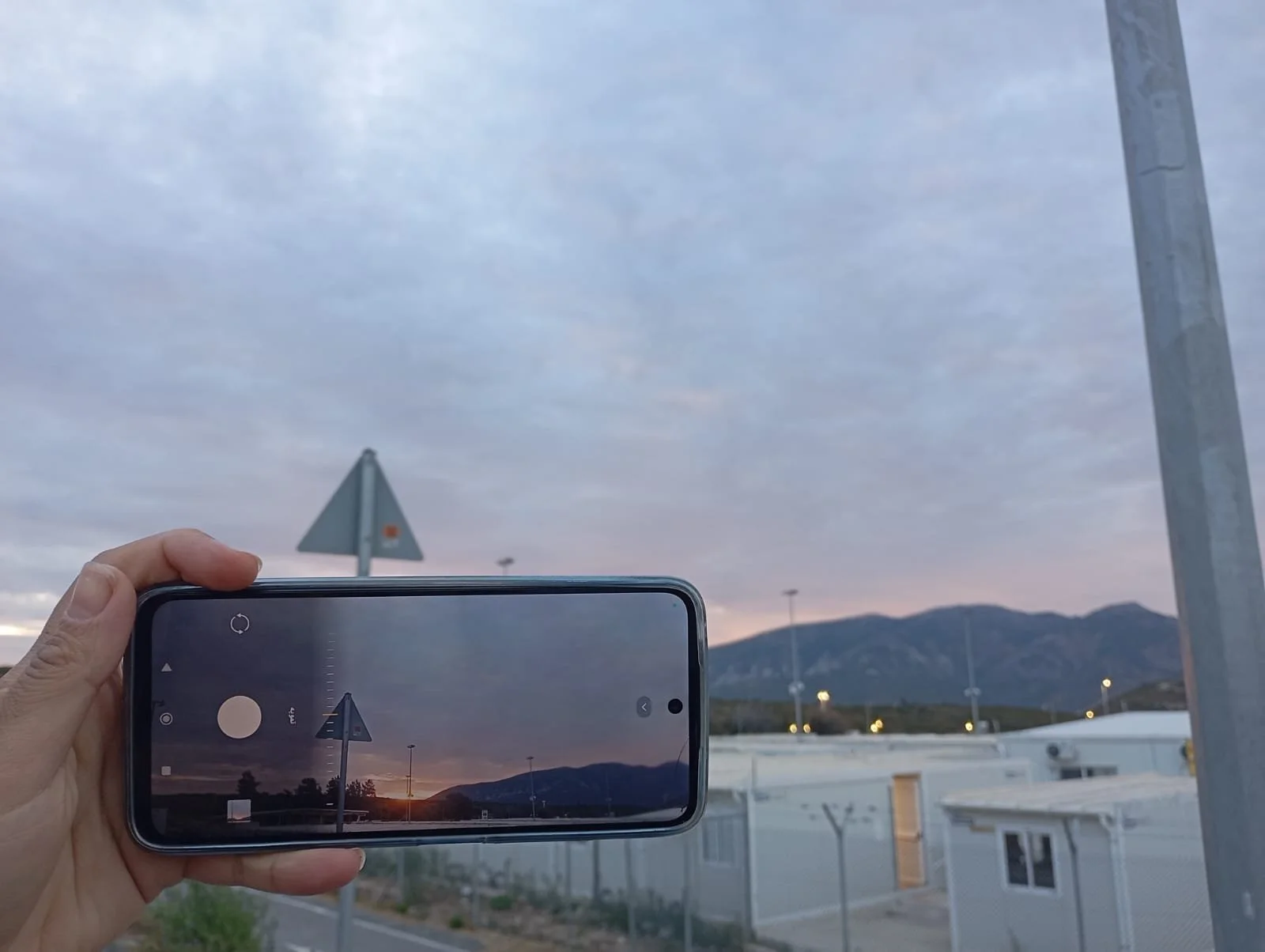
Photo credit: O in Samos Camp
She arrived in Greece. She spent six weeks in Samos camp. "Samos camp is like a prison, especially through the first 12 days. It is ignored in many ways. Though it has medical points, the healthcare is hardly there."
"I felt tons more disappointed about the situation there. Worried about everything. And more than that, alone and lonely. I still remember the spoiled food and the room I was living in, with so many cockroaches in every corner."
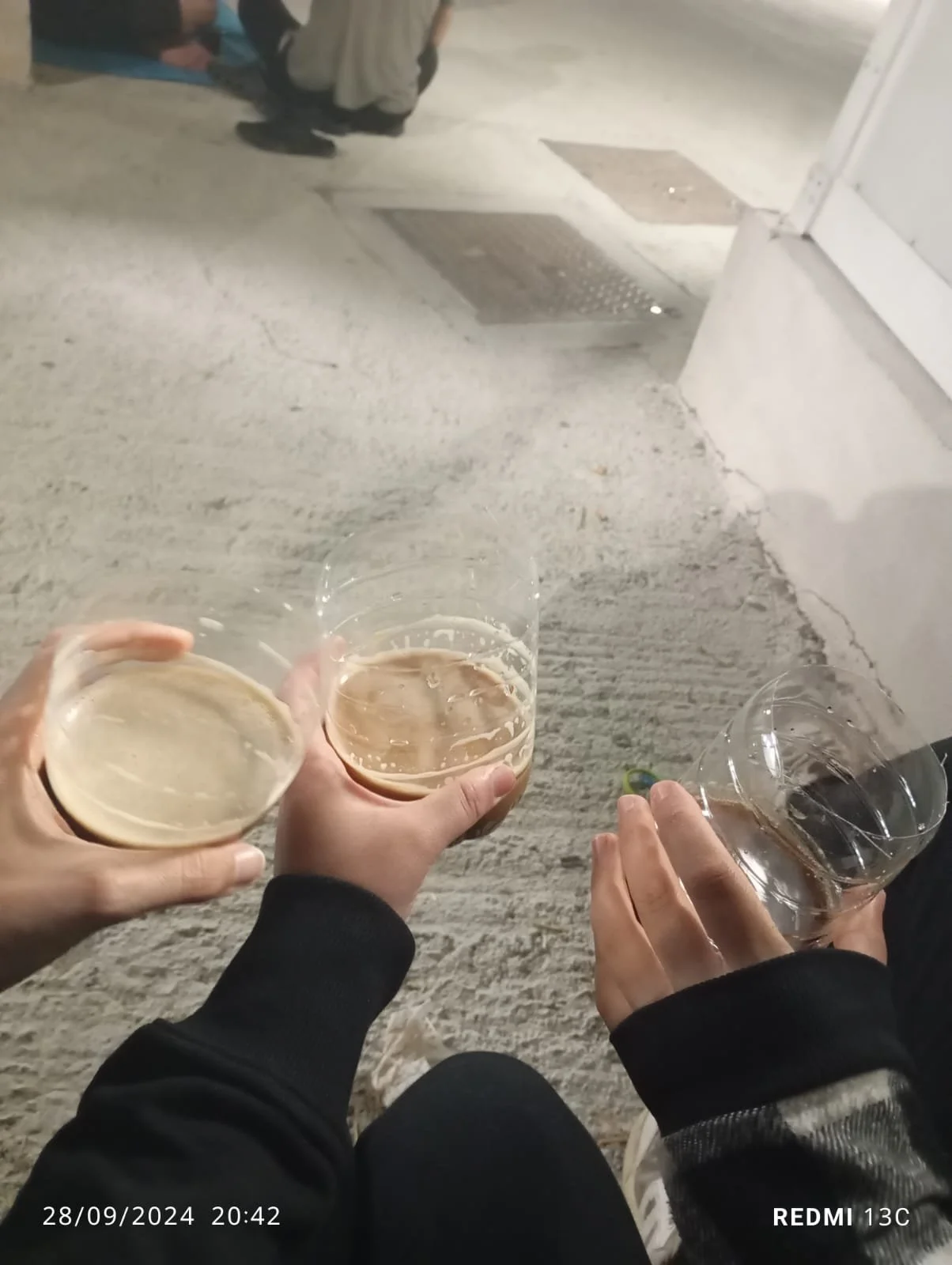
Photo Credit: O, Samos Camp
After being transferred to Corinth camp on mainland Greece, she received her international protection status. It should have been the moment everything changed. It wasn't.
The HELIOS+ programme, designed to support exactly this transition, could not process her application in time. Without savings for a deposit, without the documents that will take months to obtain, without anywhere to go, she faced homelessness on the day the system told her she was safe.
She stood at a crossroads.
"I was between two choices: either to stay in Greece, homeless or to travel to Germany and possibly find a life chance there through applying for asylum again. Either way meant to me like jumping over from a high spot, regardless of the result. I cried a lot because I couldn't really know what to do. I had a sleeping disorder, worse than before. My hair was falling more and more. I was completely lost in mind."
She could have become one of the hundreds of women who disappear into that uncertainty, into secondary movement, into homelessness, into the silence of a system that had formally recognised her but practically abandoned her.
Instead, she reached out to us. We had a Zoom call with her while she was in the camp. Her dilemma burned through the screen. We could not promise much, except stability, and that things would be slow, and that we would be with her every step of the way.
She moved in to our shelter five days later.
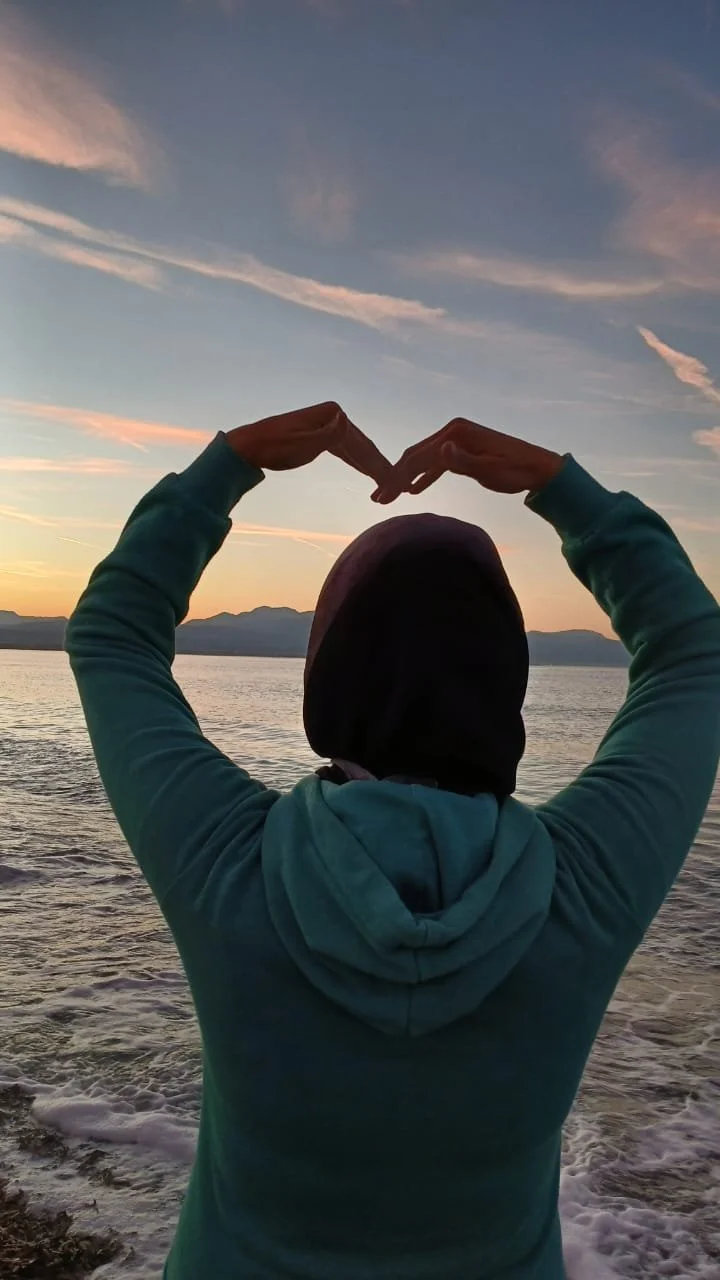
Photo credit: O
Finding safety
The first days at the AFW shelter were strange.
"First days were weird, because I used to worry about my safety earlier. But in the AFW shelter, I started to feel something I thought I wouldn't feel again in my life, a safe home. Weird, because I had conflicting feelings."
Safety, when you have been without it long enough, does not feel automatic. It has to be relearned.
"Later on, I started to feel home. Actually feel the safe home. The area is safe and mostly quiet. It is close to shops and, even better, it has a good backyard, where I liked to walk. It is furnished with heaters. The social workers were top friendly and helpful to make many things in Greece clear for me. That gave a push forward to think that I may live peacefully again."
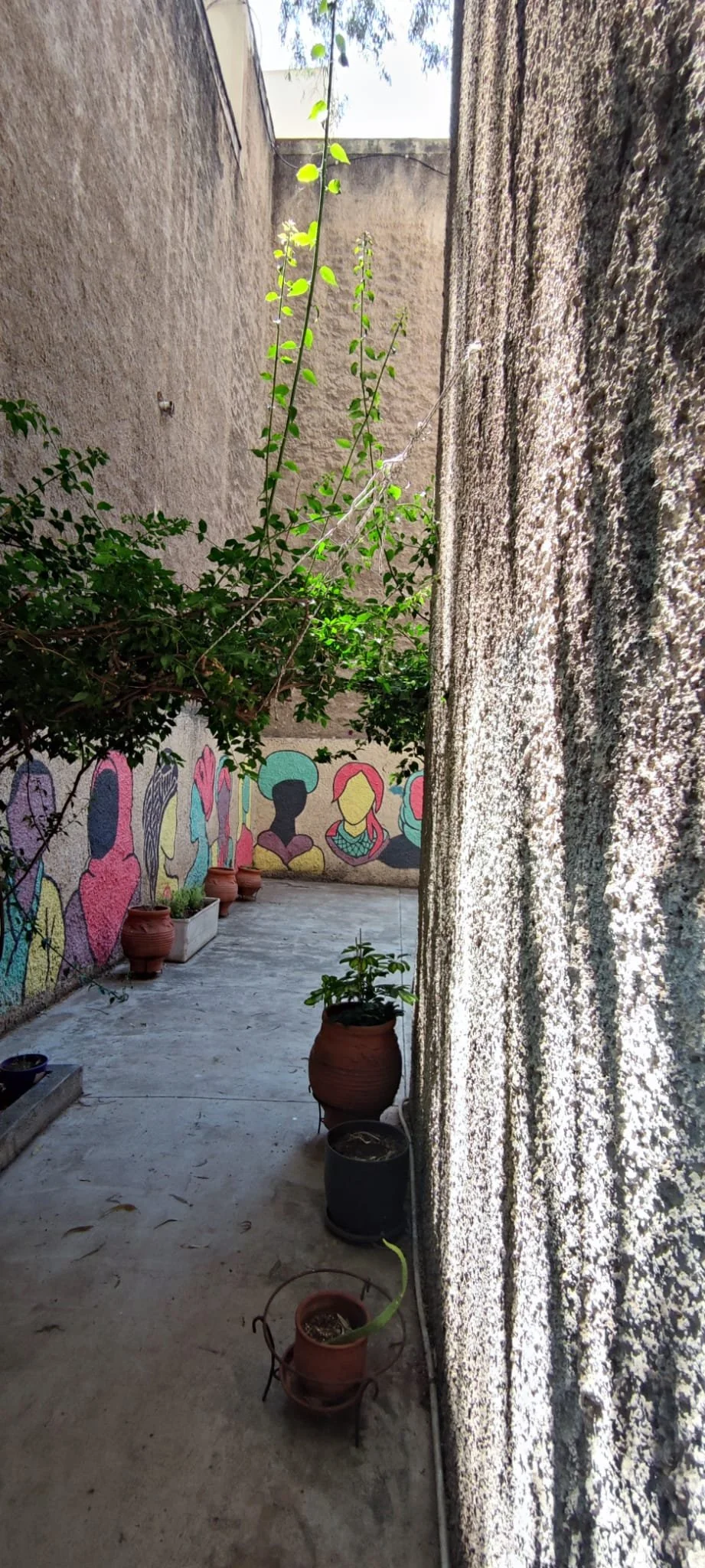
Action for Women, Athens 2026
She began Greek language classes. She got support navigating hospital appointments and administrative procedures, the bureaucratic maze that overwhelms anyone, let alone someone managing displacement and trauma alone.
But O. did not only receive support. She gave it.
She became a regular at ourCommunity Fridays. She interpreted for other women who didn't share a language. She bridged gaps. Even after she transitioned out of the shelter, she kept coming back.
"I believe that every woman in the world must have a real chance to be better in her life, no matter how her earlier life was or is, and this includes me. I can be a hand to help them, as far as I can, as I received help once. This help that I received provided me a lot and turned my life track to the better. I feel grateful and proud when I am able to give a hand for people in general, and for women specifically."
Where O. is today
"Today, I'm different. I can think of tomorrow positively and make plans. I'm less worried about the future. I have a job and I like it. It gives me a kind of stability. I can take care of myself well. Tomorrow is something good now in my perspective."
Her goals are not about survival anymore. They are about growth.
When we asked for her feedback, she shared an Arabic expression: "May God make many of you."
And she said something else:
"If it wasn't for AFW, I wouldn't have choices. I would have followed the 'Syrian option' and left Greece."
Why her story matters now
Last week we published our statement on what Greece is calling asylum reform: The cuts, the numbers, the women behind them
O.'s story is the human proof of everything we wrote.
She had her status. She had almost nothing else. The system that recognised her as a refugee could not provide her with housing, with documents, with a path forward. She was days away from leaving Greece entirely, joining the hundreds who attempt secondary movement, knowing the odds, because homelessness felt worse than the risk.
Greece is now cutting the very programs that created the conditions for O.'s recovery. HELIOS has ended. Its replacement covers less than 6% of the people who need it. Women are being evicted from camps the moment they receive refugee status, pushed into a housing market they cannot access without documents the state has failed to provide.
What transforms legal recognition into lived independence is sustained, coordinated, women-centred support: housing, language, casework, and community, working together.
That is what O. found at AFW. That is what is at stake.
What you can do
O. gave us permission to share her story because she wants it to matter beyond her own life.
If it moved you, share it. Send it to a journalist, a policymaker, a donor, a friend. The women this affects have no platform. Yours is one.
If you work in the sector and are documenting similar cases, join our camp eviction case log. Every case logged strengthens the evidence base for legal challenges in Germany, Switzerland, and beyond. Contact us at athens@afw.ngo
If you want to support the work that gave O. a backyard to walk in, you can donate directly or become a monthly donor.
And if you haven't read our full advocacy statement on what Greece is calling reform, read it here.
In Solidarity Always
Gabrielle
Founder
Action for Women