When "Reform" Means Removal: What Greece's Asylum Cuts Mean for the Women We Support
By Gabrielle & Atalanti
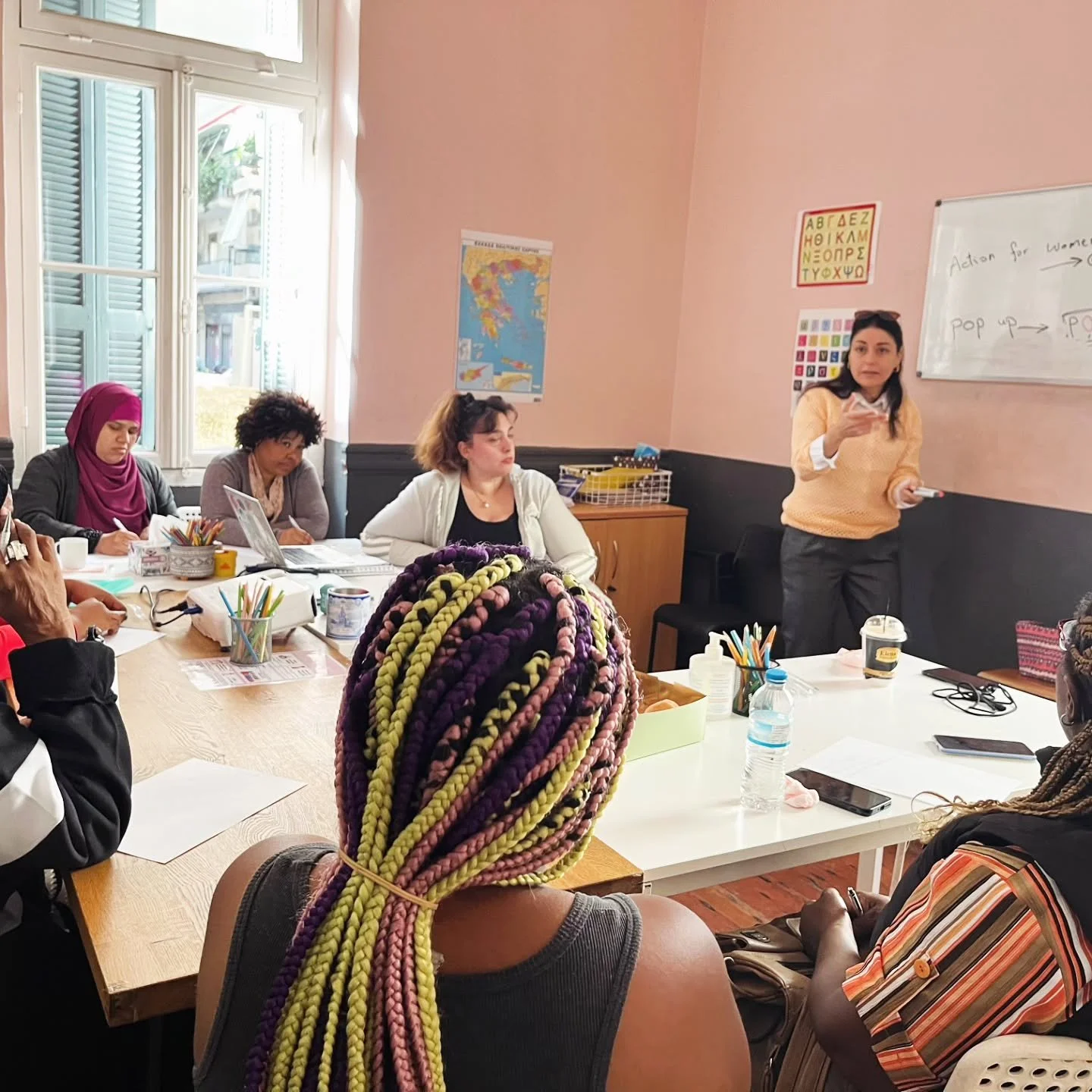
Action for Women, Athens 2026
Greece is calling it reform.
Migration Minister Thanos Plevris has announced a sweeping overhaul of the country's asylum support system, cuts of nearly 30% to overall spending, the abolition of the HELIOS housing program, and a 50 percent reduction in monthly cash support, currently around €75. The government describes this as a shift away from passive dependency toward work, integration, and self-sufficiency.
We understand the framing. What we cannot accept is what it leaves out.
A system that was already failing
Before we accept what is being "reformed," we need to be honest about what actually existed.
HELIOS — the housing program now being abolished — had already ended on 30 November 2024. Its successor, HELIOS+, was announced but never meaningfully reached the people who needed it. According to legal aid organisations tracking this closely, the new program was designed to serve just over 1,000 people per year, in a country with more than 116,000 active international protection permits.
That is coverage for less than 6 percent of the eligible population.
Monthly cash assistance: the €75 that will now be cut in half, had already been suspended for ten months in 2024, leaving asylum seekers without income for nearly a year. That suspension drew urgent statements from multiple civil society organisations and was met largely with silence from the institutions meant to protect people.
The government is not dismantling a functioning welfare system. It is formalizing the abandonment of one that had already collapsed.
And the numbers being used to justify the reform deserve scrutiny too. The policy message is directed at "roughly 20,000 refugees granted asylum each year." The actual figure, from Greece's own asylum data, was more than 40,000 in 2024 alone. The gap between the political number and the real one is not incidental, it shapes what kind of response people think is proportionate.
And while the government dismantles the support that would allow refugees to survive in Greece, it is simultaneously accepting them back from other European states at record rates. In 2025, Greece received 725 refugees deported from other EU countries, nearly double the 390 accepted in 2024.Deportation requests from Germany alone increased more than sixfold, reaching 7,467.
Of the requests examined, 94% were accepted.
These are people who were recognised as refugees in Greece, left to seek stability elsewhere, and are now being sent back, to a country with no housing infrastructure to receive them, no functioning integration program to support them, and a private rental market they cannot legally access without documents that take years to obtain.
Greece is pulling people back with one hand and removing every support with the other. This is not a migration policy. It is a trap.
The women we support have no safety net to cut
At Action for Women, we work with women whose situations do not fit neatly into policy timelines.
The government's framework assumes that refugees are ready and able to enter the Greek labor market after a short integration program. But the women who contact our hotline, who find their way to our services, who share their stories with us, they carry layered realities. Precarious housing, health needs that have gone unmet for months, the slow work of rebuilding trust and stability after displacement, the long process of navigating systems that were not designed with them in mind.
A survivor of trafficking is not ready to work after five months of language courses. A woman who fled domestic violence, crossed borders alone, and spent months in a reception facility has not been passively residing. She has been surviving.
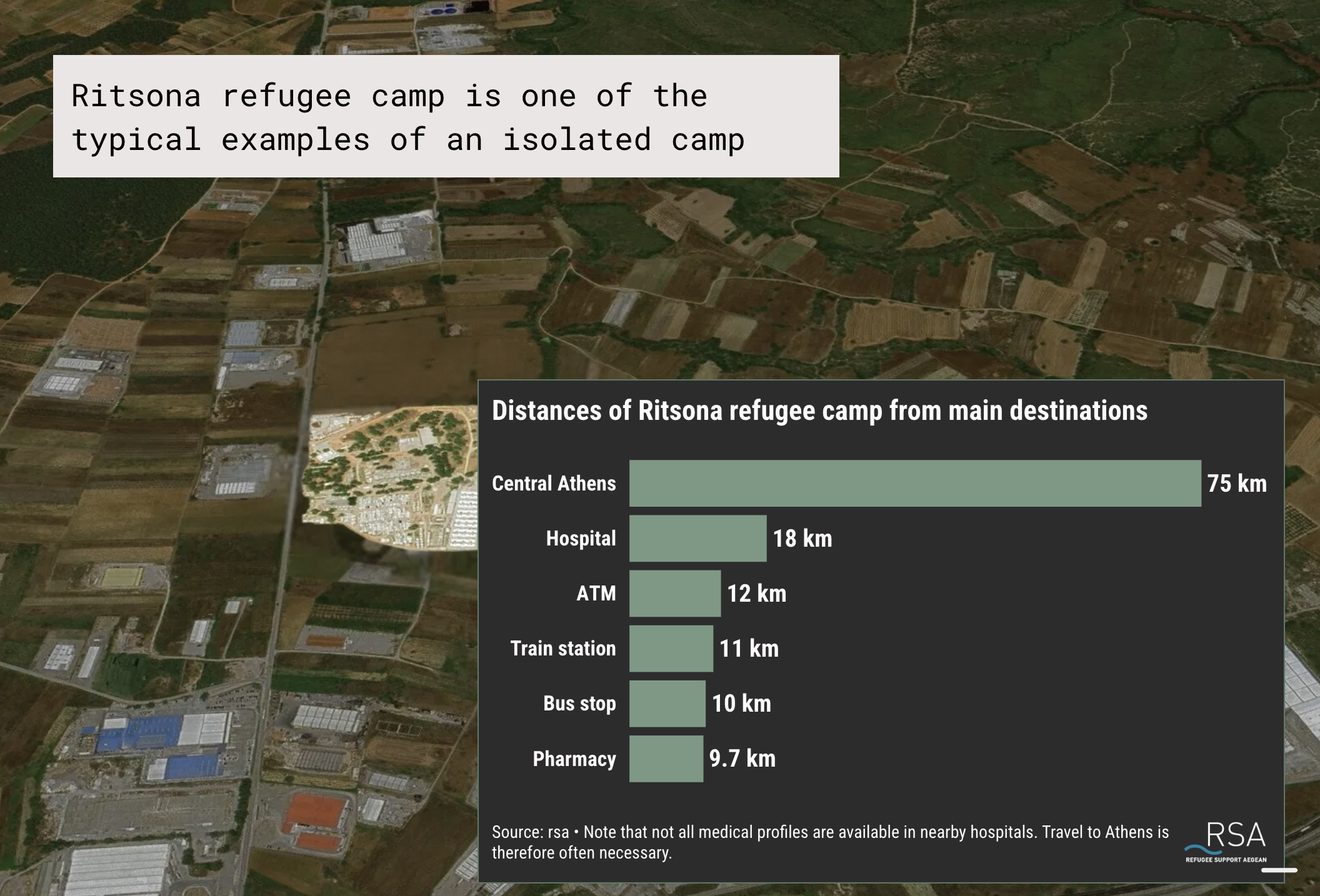
And surviving, in Greece in 2026, means navigating a system that was already designed to make things difficult. Women are being pushed out of reception facilities, often remote, disconnected, far from any city where a life could plausibly be built. They are being told to find their own housing. But to rent an apartment in Greece, you need a tax identification number. To get a tax number, you need documents. To get those documents, you need other documents. The process takes months. Sometimes years. Women know this. They live it.
And yet the government is ending housing support while leaving every one of those barriers exactly in place. This is not a gap in the policy. It is the policy.
Because here is what the announcement does not say: the system that is telling women to stand on their own two feet has spent years tying their shoelaces together. Women are pushed out of remote facilities with no public transport, no nearby services, no realistic path to employment, and into a private rental market they cannot legally access without paperwork that the state itself has failed to provide them.
Taking away housing without dismantling the bureaucratic wall that prevents people from finding their own is not a policy. It is abandonment with paperwork.
Housing is not a passive benefit. It is not a reward at the end of an integration checklist. It is the foundation on which everything else depends. You cannot learn a language from the street. You cannot attend a job interview without an address. You cannot keep your children safe without a door to close. Without housing, nothing else holds, not the language courses, not the job training, not the safety planning, not any of it.
We have seen this. We see it everyday.
When housing disappears, women disappear into danger
This is the part that concerns us most: and receives the least attention in the political discussion.
Housing instability is not an inconvenience for women in vulnerable situations. It is a doorway to exploitation. We know from our work that when safe, stable housing disappears, women are pushed toward arrangements that carry serious risk. from dependency on abusive partners to situations that shade into trafficking, from homelessness that makes them invisible to the services that could help them.
In 2025, a women's shelter in Athens closed overnight after losing a third of its funding, leaving 30 women and children without a place to sleep.
AFW was not among the organisations affected by these particular cuts, but the women who were left without shelter found their way to us. We received them with what we had.
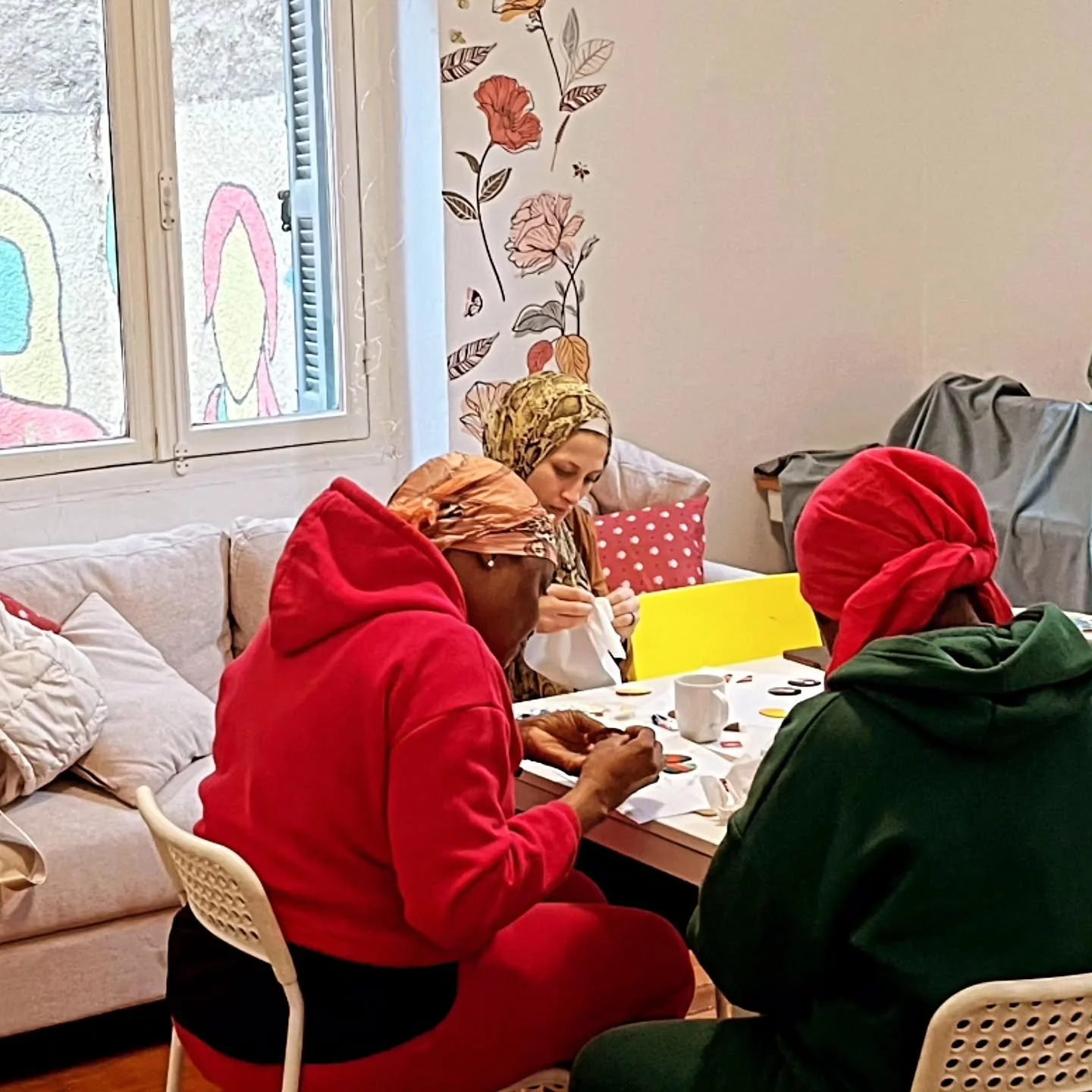
Action for Women, Athens 2026
What we are asking
The Greek government is entitled to reform its migration system. But reform must be honest about what it is replacing, realistic about who it is affecting, and accountable to the people whose lives it reshapes.
We are asking the Greek government to publish transparent data on how many people are actually covered by replacement programs, and to close the gap between the 40,000+ people granted asylum each year and the 1,000 places available in integration support.
We are asking European institutions to treat the dismantling of refugee protection in a member state as what it is, not as a policy model to be quietly studied.
We are asking donors and partners to understand that organisations like AFW are now filling gaps left by state withdrawal, with resources that were never designed to carry that weight.
The women we have supported since 2016, nearly 22,000 of them did not come to Greece looking for something easy. They came because they had nowhere else to go.
What they needed, what they still need, is not a benefit in the political sense. It is a foundation.
Removing that foundation, and calling it reform, does not make it something other than what it is.
In solidarity always
Gabrielle, Founder, Action for Women
Atalanti, Legal Representative, Action for Women Hellas
If this piece moved you, here is what you can do
Share it. The women this policy affects have no platform. Yours is one. Send this to someone who needs to read it: A journalist, a policymaker, a donor, a friend.
Follow our work. We document what we see, from the ground, as it happens. Follow us on Instagram for updates.
Support the work. AFW receives women with what we have. If you want to make sure we have more, you can give directly.
Are you an organisation working with displaced women in Greece? We are building a shared documentation tool to track camp evictions across the sector. Get in touch.