Built With Women, For Women: What Our Needs Assessment Tells Us for 2026
Our plan for 2026 wasn’t designed from behind a desk.
It was shaped by listening, in classrooms, in conversations, in the moments between appointments, childcare, and exhaustion. In the languages women feel safest in. In the way women share when they finally believe they won’t be judged for needing help.
Since 2015, Action for Women’s work has always been led by the voices of the women we support: we don’t guess what women need. We ask.
Because to us, women are not “beneficiaries.” They are not case numbers. They are not problems to solve. They are people rebuilding their lives and they know better than anyone what helps, what hurts, and what is missing.
At the end of 2025, we asked women in our community what they needed most moving into 2026. We received 56 responses. What they shared was honest, practical, and deeply consistent.
The Context Women Are Living In
Women’s answers don’t exist in a vacuum.
Over the past year, life has become harder for many refugee and migrant women in Greece - especially women raising children alone, and women navigating systems without stable housing, language access, or family support. This has coincided with a shrinking humanitarian and integration ecosystem: multiple services have reduced capacity or closed, and interpretation and casework support are often unavailable when women need them most. When support disappears, the burden shifts onto women’s bodies and lives, more stress, more untreated health needs, and more exposure to exploitation and violence.
So when women spoke to us, they didn’t ask for shiny solutions. They asked for what helps them survive, stabilise, and start again.
What Women Told Us
1) “I need language: for work, and for life.”
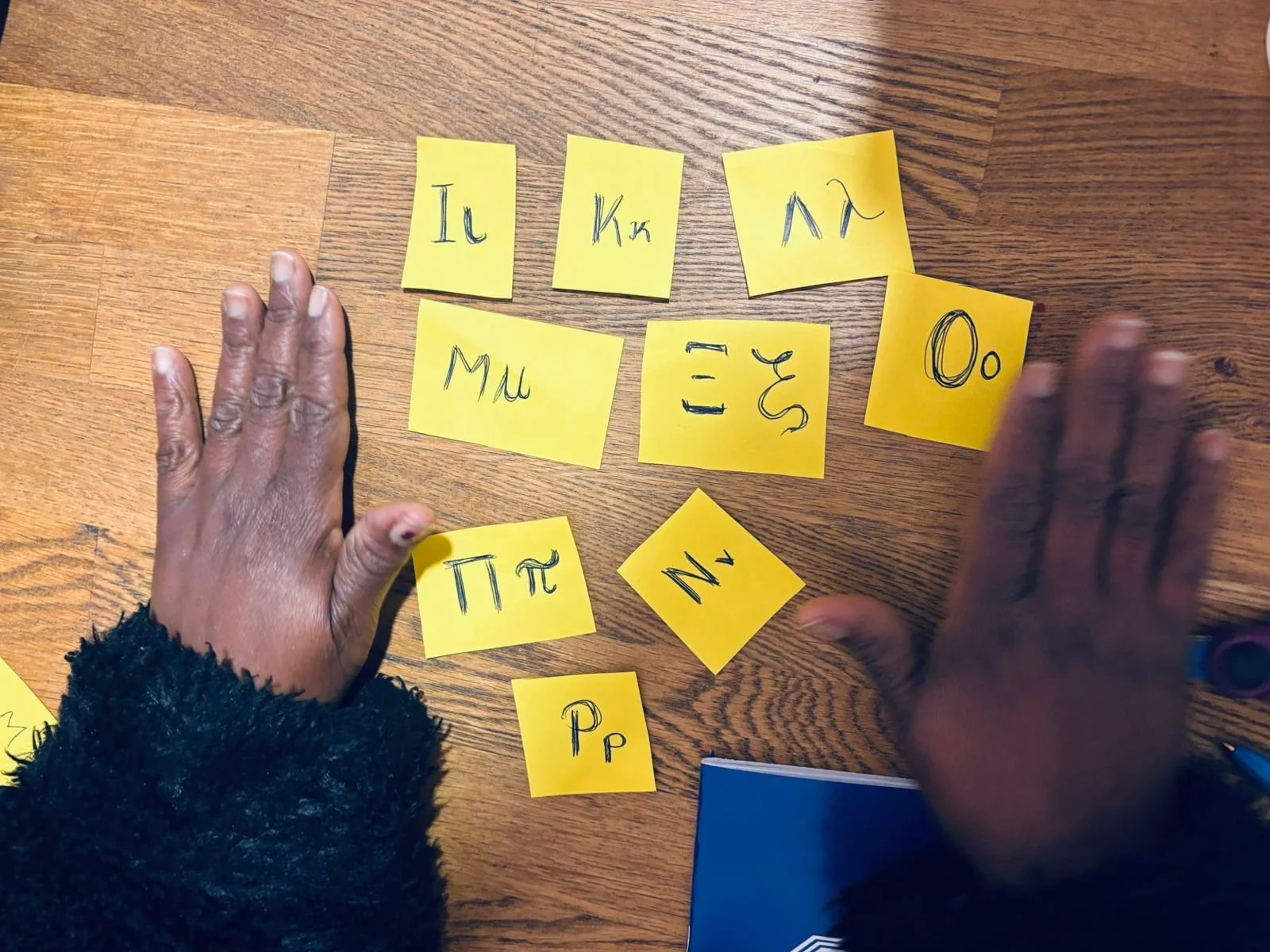
The clearest message was the need for Greek and English that actually works in the real world.
Not perfect grammar.
Not exams.
But the words you need to speak to an employer, understand instructions, go to an appointment, and move through the city without feeling small.
Learning the Greek language is hard. Learning it while living in survival mode, with uncertainty, paperwork, and pressure on every side is even harder.
What we’re prioritising:
We’re strengthening our language programming with practical, work-related vocabulary and confidence-building exercises, designed around women’s daily realities, and shaped by what women tell us helps most.
2) “Everything is online. I need digital support.”
Women told us that phones, email, and online forms are now gateways to almost everything: jobs, healthcare, legal processes, paperwork. When you can’t access the digital world, you’re forced to rely on others and that dependency increases vulnerability.
What we’re prioritising:
We’re expanding digital skills support and creating opportunities for women to practice safely and confidently, at their own pace, so access becomes independence, not anxiety.
3) “I need health support that’s practical, not confusing.”
Health came through as one of the most urgent needs. Women asked especially for support related to:
chronic illness
stress and mental health
women’s reproductive health
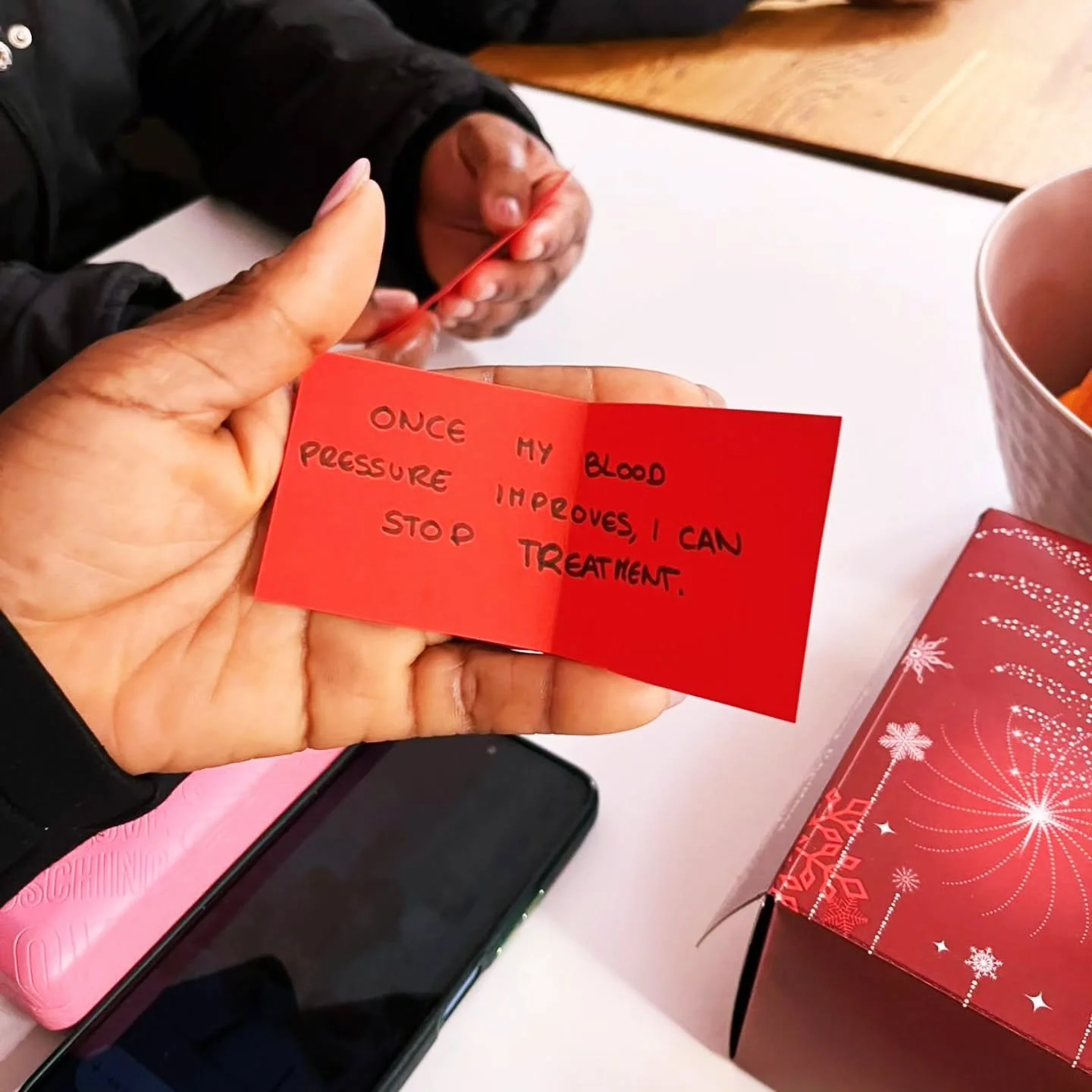
But women were clear: information isn’t enough if you can’t reach care, if you can’t book an appointment, understand results, communicate symptoms, or afford what’s needed.
How we’re responding:
We’re strengthening health information and navigation support, alongside trusted partnerships, so women can access care with clarity, dignity, and less fear.
4) “The legal system is a maze. I need someone to explain the steps.”
Women spoke about legal processes: residency, employment and housing rights, as overwhelming and risky, especially without interpretation or clear guidance.
The barriers they named were consistent:
lack of interpretation
not knowing their rights
unclear procedures
difficulty booking appointments
What we’re prioritising:
We’re focusing on clearer, step-by-step information workshops and pathways, recognising that legal clarity is a form of safety.
5) “I want community. I want a place that feels safe to be in.”
This part stayed with me.
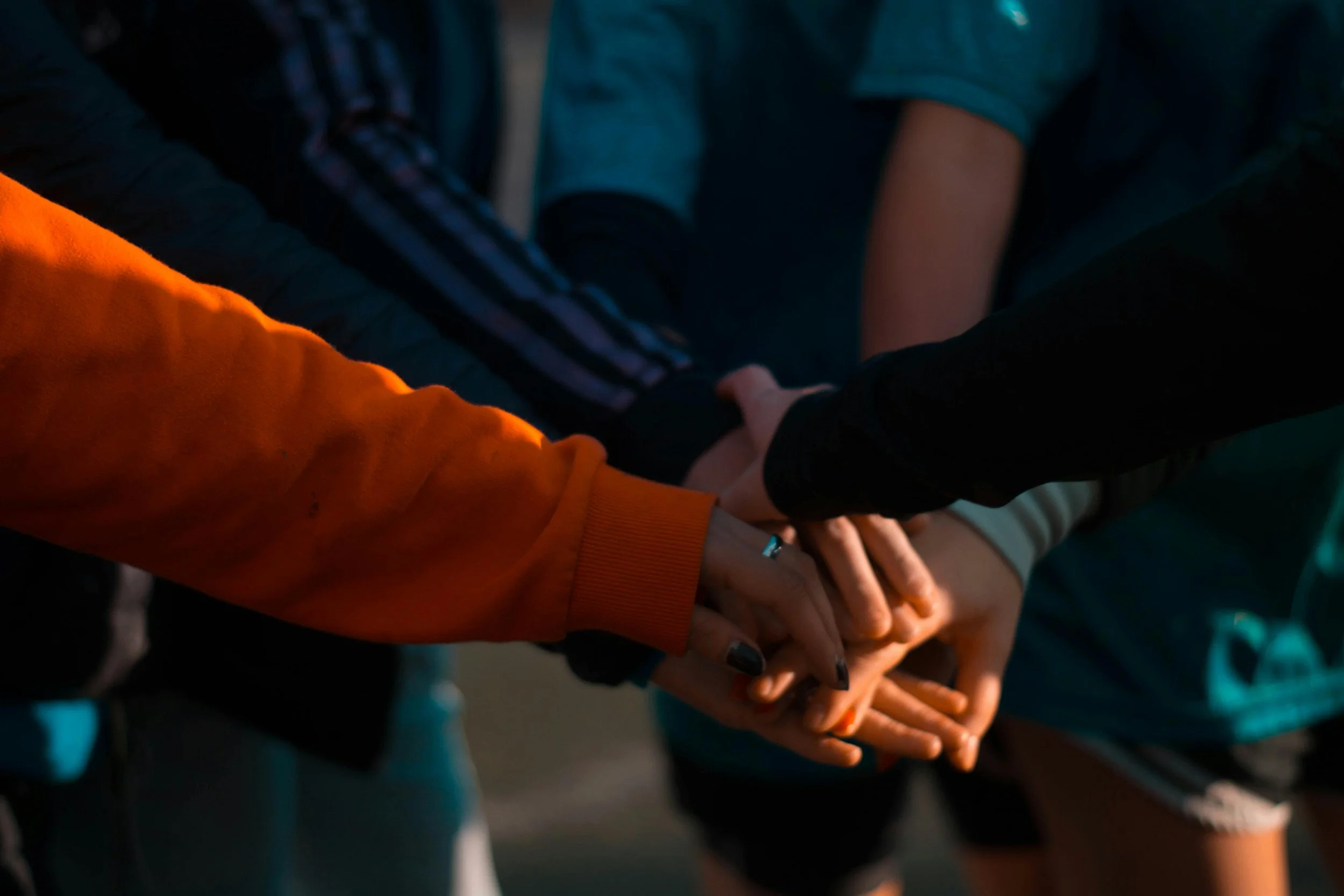
Women didn’t ask for spaces that feel clinical or transactional. They asked for places that feel human: quiet corners to study, group activities, creative sessions, and room to breathe.
They asked for community, not isolation.
And honestly, this is what we see again and again during Community Fridays. It’s not just an activity on a calendar. It’s a rhythm. A place where women can arrive as they are tired, shy, overwhelmed, hopeful, and still be met with warmth. Where someone offers tea. Where children are welcome. Where information becomes understandable because it’s shared in community. Where the smallest moments: sitting together, laughing, asking questions without fear, become a kind of rebuilding.
What we’re prioritising:
We’re shaping our space and programming around connection, flexibility, and dignity, strengthening Community Fridays as a consistent anchor for learning, practical support, and belonging. And we’re continuing to co-design with women as we move forward, so the space we build reflects what women have asked for: not perfection, but a place that feels safe to be in.
Women Lead. We Follow.
This needs assessment didn’t “confirm” something for us, it reminded us why we exist. Our work is always driven by the voices of women. Not by assumptions. Not by trends. Not by what sounds good in a proposal.
Women told us what they need: Now our job is to respond with integrity, and to keep listening as we build.
To every woman who shared her time and her truth with us: thank you. Your voice is shaping what comes next.
How You Can Support Women-Led Work
If you want to support this work, you can do it through our Shop for Good, which funds the real, often unseen costs behind women-led programs and community spaces.
Thank you for standing with us, and with women rebuilding their lives with courage, every day.
Gabrielle Tay
Founder / Director
Action for Women